
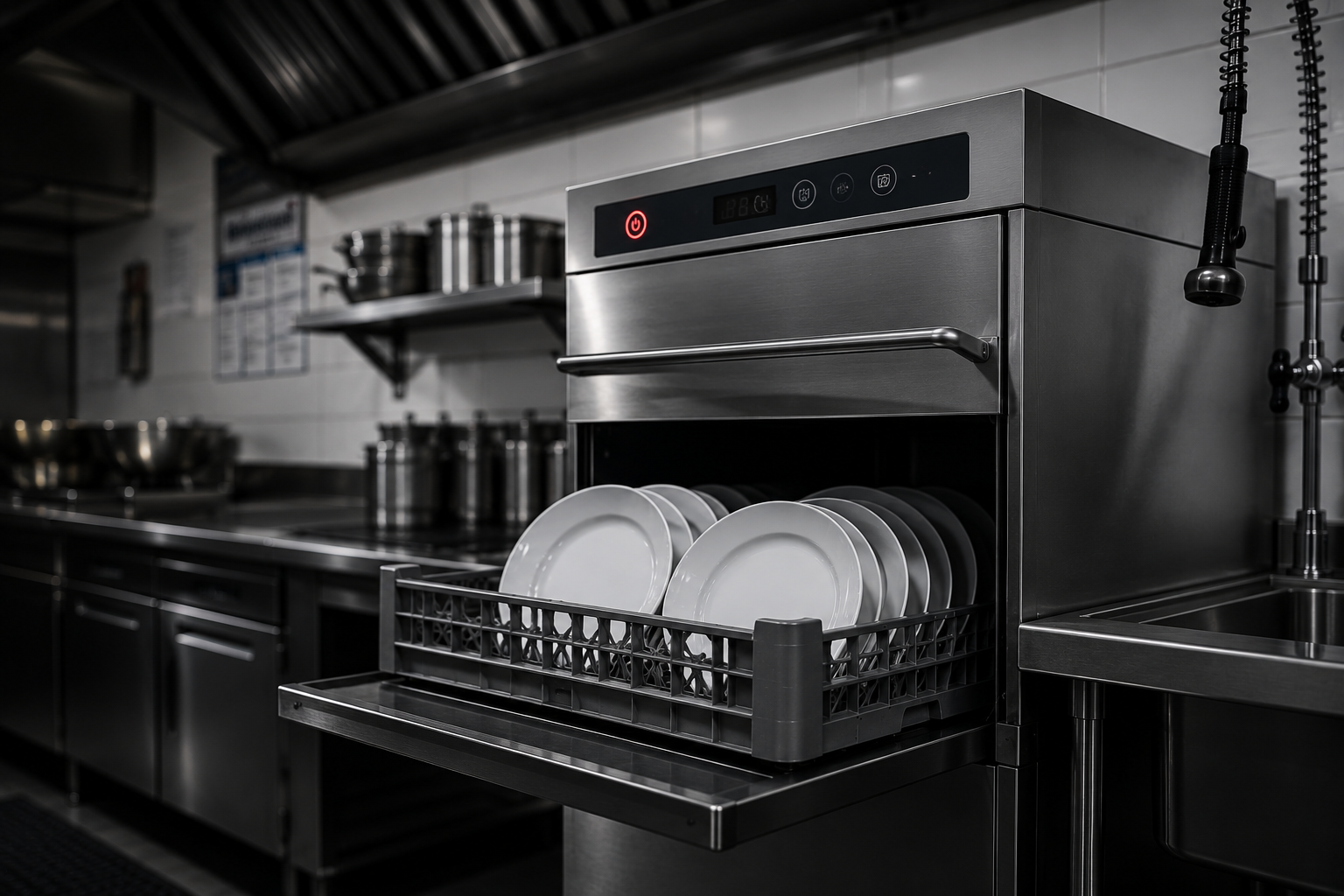
Commercial Dishwasher Not Reaching Temperature?
When Your Commercial Dishwasher Can't Reach Temperature, Your Kitchen May Be Producing Poorly Cleaned or Unsanitised Ware
A commercial dishwasher that isn't reaching its intended operating temperature can affect far more than wash performance. Depending on the machine and sanitising method, incorrect temperatures may result in poor cleaning, greasy dishes, wet glassware or reduced sanitising performance.
When your commercial dishwasher takes too long to heat or never reaches temperature, your kitchen can quickly lose efficiency, staff may need to rewash items and service can be disrupted during busy periods.
At Worldwide CDM, we've helped Sydney's hospitality industry minimise equipment downtime for more than 30 years. Our experienced technicians diagnose the underlying cause before recommending repairs, helping you avoid unnecessary parts replacement and getting your equipment operating reliably again. When Your Dishwasher Trips the Power, Your Kitchen Comes to a Standstill.
Keep Serving Customers With Confidence
Your customers don't see what's happening behind the scenes—but they notice when service slows down.
A commercial dishwasher that takes too long to heat can delay your kitchen, interrupt workflow and create unnecessary pressure during busy periods.
Our goal is simple.
Help you minimise downtime, restore reliable performance and keep serving customers with confidence.
Why Temperature Matters in a Commercial Dishwasher
Commercial dishwashers rely on temperature for two different purposes:
Cleaning
The wash cycle uses heated water together with detergent to help remove food residue, grease and proteins from dishes.
Sanitising
Many commercial dishwashers also use a high-temperature final rinse to achieve thermal sanitising, while some models rely on chemical sanitising instead. The required operating temperatures therefore vary depending on the machine's design and the manufacturer's specifications.
Because different commercial dishwashers operate differently, temperature problems should always be assessed in accordance with the manufacturer's recommendations.
Why Isn't My Commercial Dishwasher Reaching Temperature?
Several different faults may prevent a commercial dishwasher from heating correctly.
Common possible causes include:
Heating element problems
Booster heater faults
Temperature sensor faults
Thermostat problems
Scale build-up
Electronic control faults
Water supply issues
Wash tank heating problems
Incoming water temperature
High-volume operation exceeding recovery capacity
Correct diagnosis is important because several different faults may produce similar symptoms.
Common Causes Explained
Heating Element Problems
Commercial dishwashers use heating elements to heat the wash tank and, on many models, a separate booster heater for the final rinse.
If a heating element develops a fault, the dishwasher may struggle to reach its intended operating temperature.
Booster Heater Problems
Many commercial dishwashers use a dedicated booster heater to raise rinse water to the temperature required by the manufacturer.
If the booster heater cannot reach its operating temperature, the dishwasher may delay the rinse cycle, display a fault code or produce poorly sanitised ware depending on the machine's programming.
Temperature Sensor Problems
Temperature sensors continuously monitor water temperature throughout the wash cycle.
If a sensor provides inaccurate readings, the control system may not heat the machine correctly even if the heating elements are functioning.
Thermostat Problems
Some commercial dishwashers use thermostats to regulate heating.
A faulty thermostat may prevent the machine from heating correctly or cause heating to stop prematurely.
Scale Build-Up
Mineral deposits from hard water can accumulate on heating elements over time.
Scale acts as an insulating layer, reducing heating efficiency and increasing the time required to reach operating temperature. Regular descaling and preventative maintenance help reduce this risk.
Electronic Control Problems
Modern commercial dishwashers rely on electronic control systems to coordinate filling, heating, washing and rinsing.
If the control system develops a fault, heating performance may be affected even though individual components remain operational.
High-Volume Operation
During busy service periods, some commercial dishwashers may require time for the rinse boiler to recover between cycles. Machines with lower heating capacity can take longer to restore rinse temperature under continuous heavy use. The recovery characteristics vary between manufacturers and machine sizes.
Signs Your Commercial Dishwasher Isn't Reaching Temperature
You may notice:
Dishes remain greasy.
Glasses come out cloudy.
The machine takes much longer to heat.
Wash cycles are delayed.
Temperature alarms appear.
Error codes are displayed.
Dishes remain unusually wet after washing.
Cleaning performance has declined.
These symptoms may have several different causes.
Safe Checks Before Booking a Repair
Before arranging a service visit, operators can safely check:
✔ The dishwasher has completed its full cycle.
✔ The machine has adequate water supply.
✔ Filters are clean.
✔ No obvious error codes are displayed.
✔ The machine has had sufficient time to heat after switching on.
✔ Daily cleaning has been carried out.
Do not dismantle heating systems, electrical panels or thermostats.
Commercial dishwashers contain electrical heating components that should only be serviced by appropriately qualified technicians.
Why Professional Diagnosis Matters
A commercial dishwasher that's not reaching temperature doesn't automatically require a new heating element.
The same symptom may result from:
booster heater problems
temperature sensors
thermostats
scale build-up
electronic controls
water supply issues
wash tank heating faults
Although the dishwasher behaves the same way, the required repair can be completely different.
Professional diagnosis helps identify the underlying cause before replacement parts are fitted, reducing unnecessary repair costs and downtime.
Not Heating vs Not Reaching Temperature – What's the Difference?
Many operators assume these faults are the same, but they often describe different problems.
A dishwasher that is not heating may produce cold water throughout the cycle.
A dishwasher that isn't reaching temperature may still heat the water, but not to the level intended by the manufacturer. This can lead to longer cycle times, poor cleaning performance or reduced sanitising effectiveness depending on the machine's design.
Understanding this difference helps technicians diagnose the fault more accurately.
Preventing Temperature Problems
Routine preventative maintenance helps identify developing heating problems before they interrupt service.
Preventative servicing may include:
Inspecting heating elements.
Testing temperature sensors.
Checking booster heaters.
Inspecting thermostats.
Assessing electrical connections.
Removing mineral scale where appropriate.
Verifying operating temperatures against manufacturer specifications.
Regular servicing helps maintain reliable performance and reduce unexpected downtime.
What Happens When You Book a Service?
Step 1 – Tell Us About the Problem
Contact our team and describe the symptoms you've noticed, including whether the machine is displaying any error codes or taking longer than usual to heat.
Step 2 – Professional Diagnosis
One of our experienced technicians will inspect the dishwasher, test the relevant systems and identify the underlying cause of the temperature problem.
Step 3 – Honest Recommendations
We'll explain what we've found, discuss the recommended repair and answer any questions before work proceeds.
We recommend only the repairs your equipment genuinely needs.
Step 4 – Get Back to Business
Our goal is to restore your commercial dishwasher efficiently and professionally so your kitchen can continue operating with minimal disruption.
Commercial Dishwasher Brands We Repair
Worldwide CDM repairs and services many leading commercial dishwasher brands, including:
Don't see your dishwasher brand listed?
Our experienced technicians repair many other commercial dishwasher makes and models used throughout Sydney.
Frequently Asked Questions
Why is my commercial dishwasher taking so long to heat?
Possible causes include scale build-up, heating element faults, temperature sensor problems, booster heater issues or other electrical faults. Some machines may also require longer recovery times during heavy continuous use, depending on their design.
Can hard water affect heating performance?
Yes. Mineral scale can build up on heating elements, reducing heat transfer efficiency and increasing the time required for the machine to reach operating temperature.
Is not heating the same as not reaching temperature?
Not always. A dishwasher may still produce warm water but fail to achieve the operating temperatures specified by the manufacturer. The underlying cause can differ depending on the machine and the affected component.
Should I continue using a dishwasher that isn't reaching temperature?
If the dishwasher cannot consistently operate within the manufacturer's intended temperature range, it should be professionally assessed. Continued operation may affect cleaning performance and, for thermal sanitising machines, sanitising effectiveness.
Need Commercial Dishwasher Repairs in Sydney?
When your commercial dishwasher isn't reaching temperature, every delayed wash cycle affects your kitchen.
For more than 30 years, Worldwide CDM has helped restaurants, cafés, pubs, clubs, hotels, hospitals and commercial kitchens throughout Sydney minimise downtime through honest advice, professional repairs and preventative maintenance.
Our experienced technicians diagnose temperature-related faults, explain the recommended repair and use genuine manufacturer spare parts where available to help restore reliable performance.
Related Commercial Catering Equipment Repairs
Worldwide CDM also provides professional repairs for: